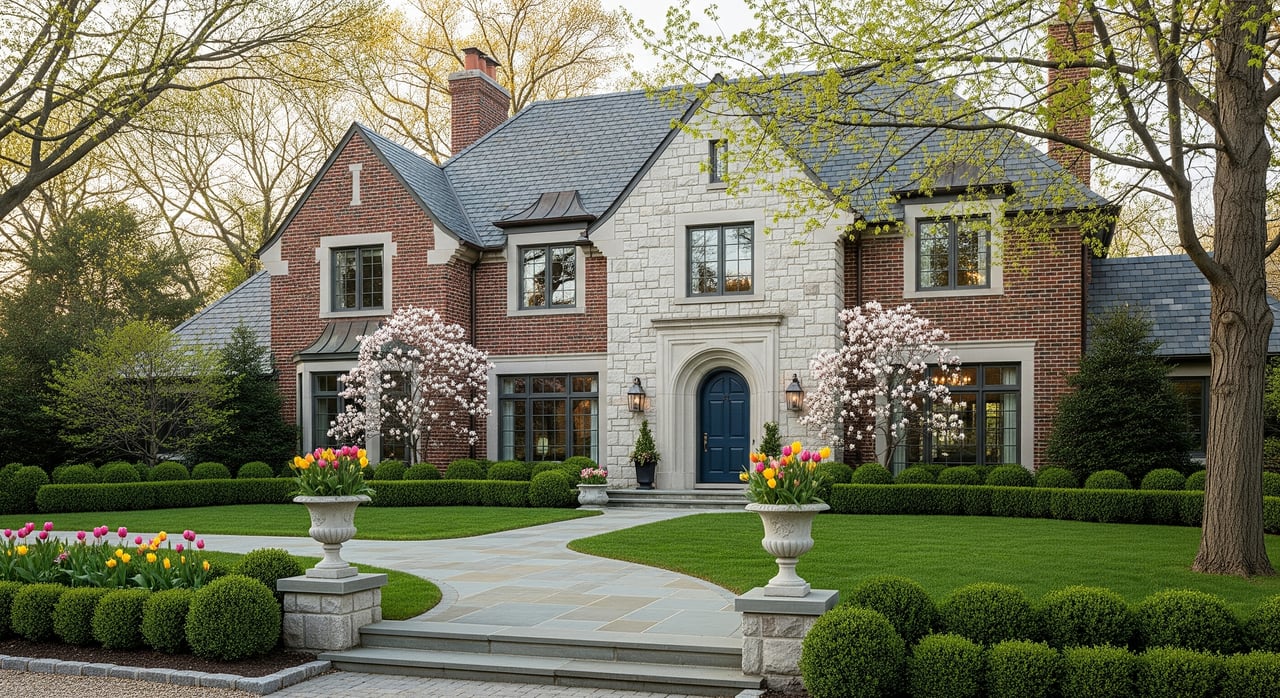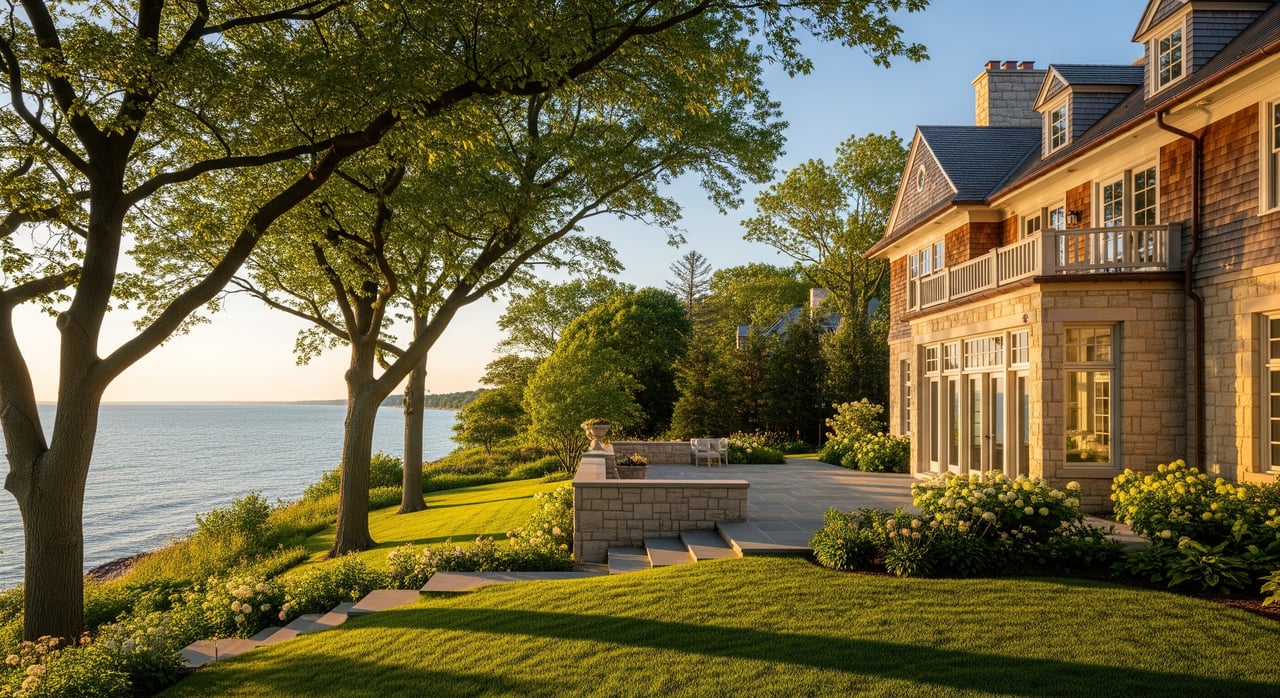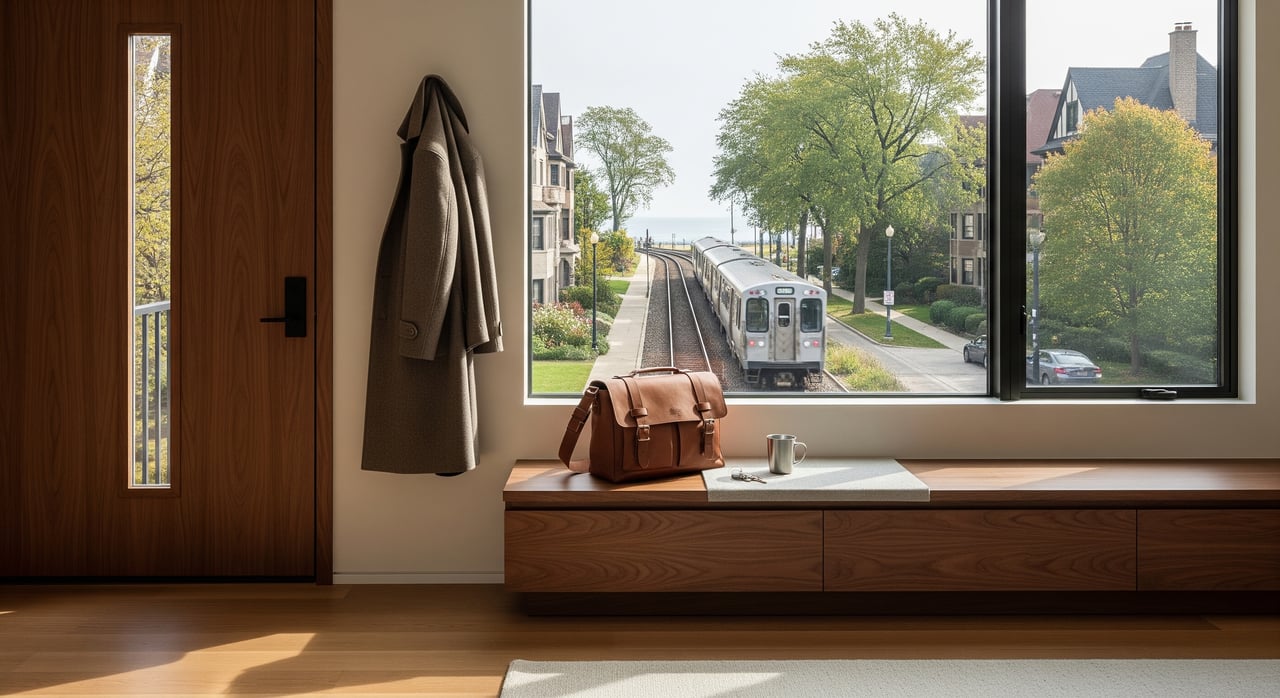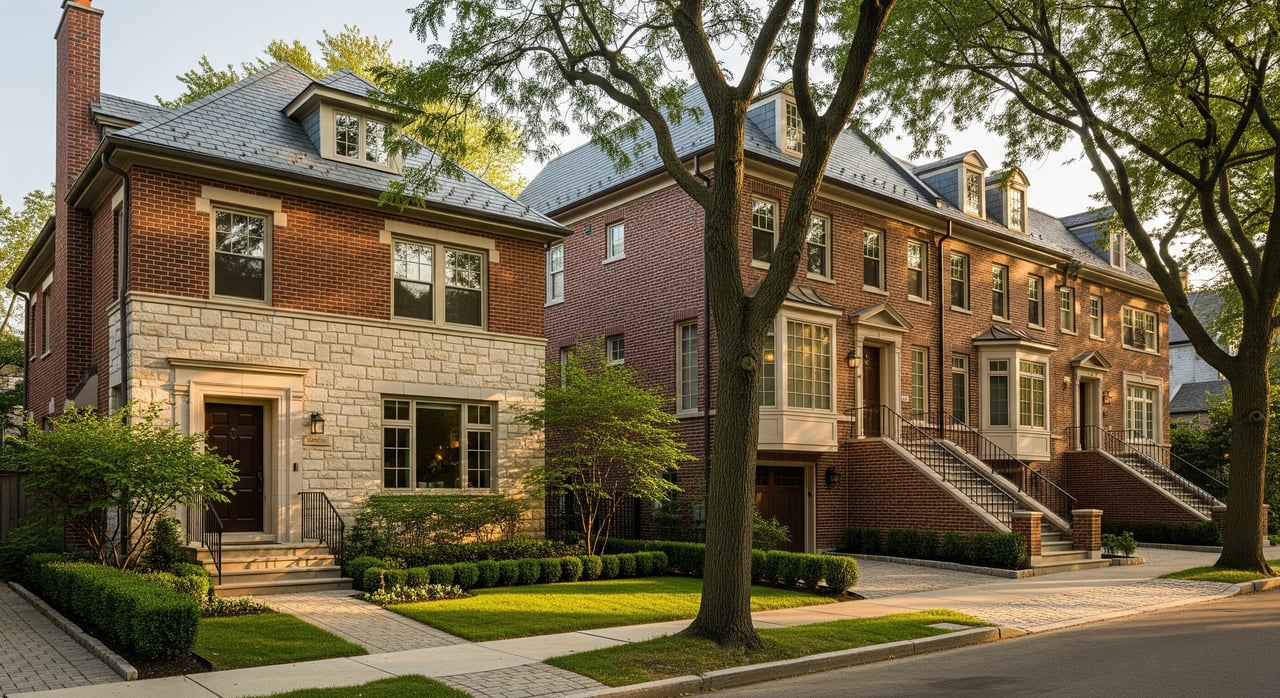
Thinking about a Wilmette townhome instead of a single-family home, or vice versa? You’re not alone. Many first-time buyers and downsizers weigh cost, maintenance, and lifestyle fit before making a move. In this guide, you’ll learn how to compare total monthly costs, what day-to-day life feels like in each option, and what matters for resale and financing. Let’s dive in.
Who chooses what in Wilmette
Wilmette attracts a mix of long-time residents, downsizers, and first-time buyers who value parks, Lake Michigan access, and convenient commuter rail. That mix influences the choice between townhomes and single-family homes.
- Downsizers often want lower maintenance, secure communities, and proximity to amenities. Townhomes can be a strong fit.
- First-time buyers may prioritize affordability and less exterior upkeep. A townhome can offer an attainable entry point.
- Many growing households lean toward single-family homes for yard space, privacy, and additional bedrooms.
Public school districts, including New Trier High School District 203, commuting routes, and limited land in the village all shape demand. Single-family homes see strong interest, while townhomes provide an alternative with different cost and lifestyle benefits.
Total cost of ownership: how to compare
When you compare a townhome to a single-family home, look beyond list price. Your goal is an “all-in” monthly number you can live with comfortably.
All-in monthly = mortgage principal and interest + (annual property taxes divided by 12) + (annual homeowners insurance divided by 12) + HOA fees + (annual maintenance reserve divided by 12) + average monthly utilities.
Key cost components
- Mortgage: Payment depends on loan amount, rate, and term.
- Property taxes: Cook County property taxes are a significant recurring cost. Your bill is based on assessed value and local tax rates. Exemptions for owner-occupied and senior homeowners can reduce the bill if you qualify.
- Insurance: Single-family policies often cost more because they cover the structure and land. Many townhomes use a master policy for exteriors and common areas, with an HO-6 or individual policy for interiors and personal property.
- HOA fees: Common for townhomes. Verify what’s included, such as exterior maintenance, snow removal, landscaping, insurance, and reserves. Ask about any pending special assessments.
- Maintenance reserves: A common rule of thumb for single-family homes is to budget about 1% of the home’s value per year. Townhome owners may pay less directly for exterior maintenance, but HOA fees fund collective reserves.
- Utilities: Single-family homes often have higher heating and cooling needs, water use, and exterior lighting. Confirm whether utilities are individually metered in a townhome or included in the HOA.
- Capital replacements: Roof, siding, driveway, HVAC, and windows. Single-family owners pay these directly. Townhome owners may share costs through HOA reserves.
A simple worksheet you can use
- Start with your estimated mortgage payment.
- Add monthly property taxes.
- Add your monthly share of homeowners insurance.
- Add monthly HOA fees, if any.
- Add a monthly maintenance reserve.
- Add average monthly utilities.
You now have a clearer picture of your monthly “all-in” cost for each property type. For the most accurate comparison, plug in current Wilmette figures before you decide.
Lifestyle and space tradeoffs
Single-family: space and privacy
You typically gain private outdoor space, more storage, and flexibility for exterior changes subject to local zoning or historic rules. Detached garages and larger yards can improve daily life.
Townhome: convenience and efficiency
You often get smaller or shared outdoor areas with efficient floor plans. Many exterior responsibilities shift to the HOA, which can reduce day-to-day chores. You also agree to community rules and budgets that shape maintenance and reserves.
Noise, neighbors, and rules
Townhome living requires comfort with shared walls and closer neighbors. Ask about party-wall construction quality, noise history, rental mix, and how the HOA enforces rules.
Maintenance: who does what
- Single-family: You handle exterior and yard care, snow removal, driveways, and landscaping. You control the timing and quality of work.
- Townhome: The HOA usually manages exterior maintenance, snow removal, and landscaping, funded by your monthly fees. You follow HOA schedules, budgets, and approval processes for changes.
For downsizers, the convenience of managed maintenance can be a major benefit. If customizing your yard and exterior is important, single-family ownership gives you more flexibility.
Access, transit, and aging in place
Wilmette’s proximity to commuter rail and major routes is a key draw for many buyers. If stairs are a concern, consider newer townhomes with elevators or step-free layouts. Retrofitting a single-family home for aging in place is possible, but ramps, stair lifts, and bathroom changes add cost. In some areas, historic or zoning rules can affect renovations, so check before you plan.
Wilmette-specific checks
- Flood and lakefront: Some properties are closer to Lake Michigan. Review local elevation and FEMA flood designations, and understand any insurance requirements.
- Historic guidelines: Parts of Wilmette have historic districts and design review for exterior changes. Confirm any restrictions before planning major updates.
- Taxes and exemptions: Review assessed value, tax rates, and any exemptions you may qualify for as an owner-occupant or senior.
- Parking and municipal rules: Check village rules on on-street parking, snow removal responsibilities, and permits.
Resale and financing
Ownership structures
- Fee-simple single-family: You own the land and structure.
- Townhome variations: Could be fee-simple with an HOA for common areas or a condominium where you own the interior and share ownership of common elements. Confirm which applies.
Financing and approvals
Lenders evaluate condo and townhome associations for reserves, insurance, and owner-occupancy levels. FHA or VA loans may require project approval. If you plan to use those programs or want your home to appeal to those buyers later, confirm the association’s status.
Resale dynamics
Single-family homes often have broad appeal among buyers who value outdoor space and flexible layouts. Townhomes attract specific segments, including downsizers, commuters, and first-time buyers. Resale can be influenced by HOA financial health, special assessment history, rental mix, and supply in your price band.
Two buyer profiles to pressure-test your choice
Downsizing couple: townhome vs single-family
- Goals: Lower maintenance, lock-and-leave convenience, easy access to amenities.
- Townhome fit: HOA covers exterior tasks. Ask about elevators or step-free access, master policy coverage, reserves, and any special assessments.
- Single-family fit: More space for guests and hobbies, plus private yard. Budget for yard care, snow removal, and capital replacements.
- Cost lens: Compare HOA fees versus what you would otherwise pay for exterior services and reserves, plus any insurance and tax differences.
First-time buyer: townhome vs single-family
- Goals: Attainable monthly payment and fewer chores.
- Townhome fit: Lower exterior maintenance and potentially lower insurance for interiors only. Confirm what utilities are included and whether the association is financeable with your loan type.
- Single-family fit: More privacy and room to grow, with full control over maintenance timing. Plan a healthy reserve for future replacements like roof and HVAC.
- Cost lens: Weigh HOA fees and potential assessments against the single-family maintenance budget. Compare utilities and property taxes at similar assessed values.
How to read an HOA package
Request these documents during escrow and review them carefully:
- Declaration, bylaws, rules and regulations, and recent meeting minutes
- Current budget, reserve study, and insurance certificate
- Special assessment history and any litigation disclosures
- Rental restrictions and owner-occupancy percentages
Red flags include low reserves, frequent or large special assessments, high rental percentages that can limit financing, and unresolved building issues. Healthy reserves and a clear plan for capital projects support both livability and resale.
On-site checklist for any property type
- Exterior and structure: Roof age and condition, siding, masonry, and grading
- Water management: Drainage patterns, gutters, and signs of dampness in the basement
- Systems: Age and service history for HVAC, water heater, and electrical
- Parking and storage: Garage capacity, guest parking policies, bike and storage options
- Practical details: Utility metering, noise transmission, and any HOA maintenance schedules that will affect you
Next steps
Your best choice in Wilmette comes down to the right balance of cost, maintenance, and lifestyle. Build an “all-in” budget for both property types, confirm any HOA or historic constraints, and match the daily experience to how you want to live.
If you want a clear side-by-side that uses current Wilmette numbers and real HOA details, reach out to Nicole Fabiano. You’ll get calm, expert guidance tailored to your goals and a plan that fits your timeline. Connect with Nicole Fabiano to start your comparison today.
FAQs
How do I compare monthly costs for a Wilmette townhome vs single-family?
- Build an all-in number using mortgage, property taxes, insurance, HOA fees, a maintenance reserve, and utilities, then compare side by side at similar price points.
What do Wilmette townhome HOA fees usually cover?
- Many cover exterior maintenance, landscaping, snow removal, common-area insurance, and reserves, but always verify specifics and check for pending special assessments.
Are there financing limits for Wilmette townhomes and condos?
- Some loans require the association to meet reserve, insurance, and owner-occupancy thresholds; FHA or VA financing may require project approval.
Do single-family homes in Wilmette have broader resale appeal?
- Single-family homes often draw wide interest for yard space and flexibility; townhome resale depends more on HOA health, rental mix, and buyer segment demand.
How should I budget for maintenance in each property type?
- For single-family, a common rule is reserving about 1% of home value annually; townhome owners may pay less directly but contribute via HOA fees and reserves.
How do property taxes factor into my decision in Cook County?
- Taxes are a major cost; compare annual bills at similar assessed values and consider any exemptions for which you qualify as an owner-occupant or senior.
Are there Wilmette rules that affect renovations?
- Yes. Historic districts and local zoning can affect exterior changes, so confirm requirements before planning additions or major updates.