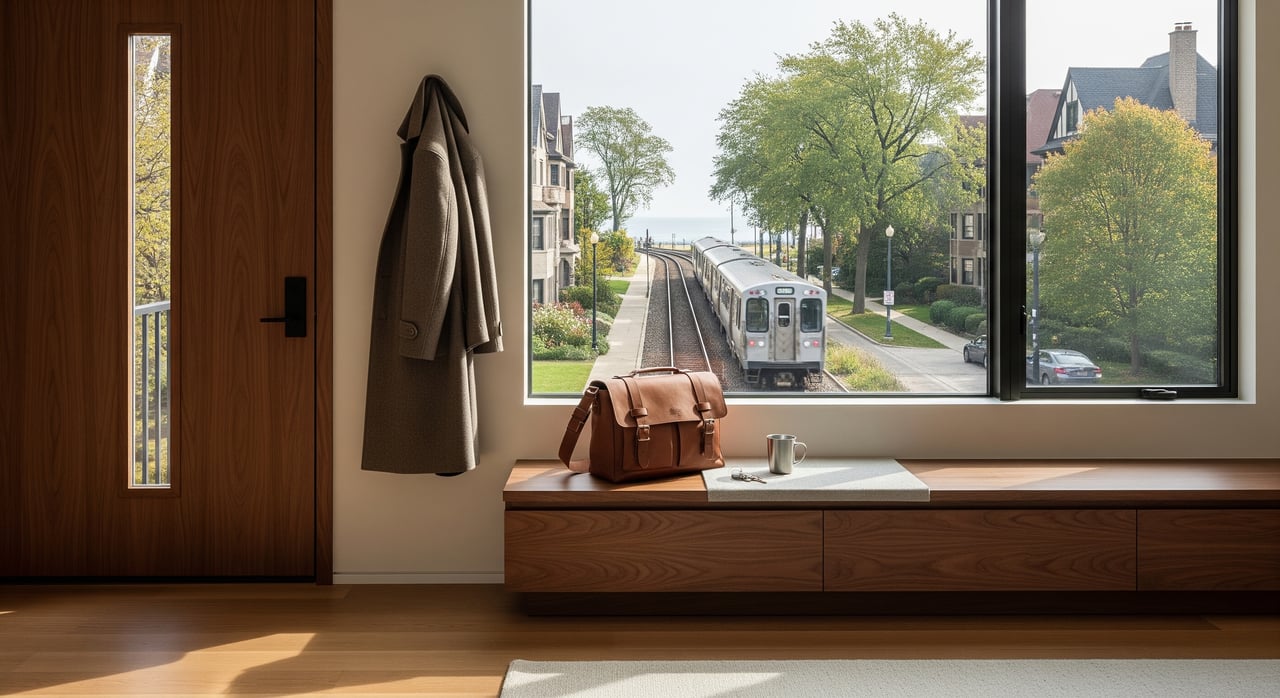
Thinking about moving to Wilmette but unsure how you’ll get to the Loop? You are not alone. Commute time, predictability, and daily convenience are big factors when you choose a North Shore home. In this guide, you’ll compare Metra, driving, and biking options, plus learn practical tips on parking, schedules, and how your neighborhood choice affects your day. Let’s dive in.
Commute options at a glance
- Metra UP-N: Direct service to Ogilvie in downtown Chicago with the most predictable peak-hour timing.
- Driving: Door-to-door flexibility using I-94, with variable travel time and higher parking costs downtown.
- CTA/Pace connections: Possible with transfers in nearby hubs when needed.
- Biking and multimodal: Ride locally to stations or, for experienced cyclists, use lakefront corridors toward the city.
Your lifestyle, schedule, and proximity to stations or expressways will guide the best choice for you.
Metra UP-N: predictable and simple
Metra’s Union Pacific North line is the primary rail option from Wilmette to downtown Chicago. It ends at Ogilvie Transportation Center, which connects easily to the Loop and many workplaces.
Service and frequency
On weekdays, UP-N runs more frequently during the morning inbound and evening outbound peaks. Midday and weekend service is less frequent. Some trains run express and skip stops, which can cut ride time depending on your station. Schedules can change by season and on holidays, so always check the current timetable before you plan your trip.
Stations and parking
Wilmette residents typically use stations in or near the village, and some choose nearby Evanston stations for convenience. Station amenities can differ. Larger stations may offer more shelter and ticketing options, while smaller stops can be minimal. Parking near stations is managed by the local municipality or Metra, with a mix of permit-only spaces, daily-pay lots, and limited on-street options. Popular lots can fill early on peak weekdays, so confirm permit availability, waitlists, and daily rates ahead of time.
Fares, apps, transfers
Metra uses zone-based fares. Costs vary by zone, time of day, and any promotions in effect. Mobile ticketing is available, and e-tickets help you skip the line at the station. For last-mile connections, many commuters walk or use CTA buses and trains once they arrive at Ogilvie. Always confirm current fare options, accepted apps, and any transfer rules before your first commute.
Train-day tips
- Save your most frequent trips in your mobile ticketing app for quick purchase.
- Identify two trains that work for you, so you have a backup.
- If an express train serves your station, a short walk or bike ride to that stop may save time.
- Follow service alerts on commute days for any disruptions.
Driving: flexibility and costs
Driving can be a great fit if your schedule varies or you need to make stops before or after work. It also gives you door-to-door control on days when you are tight on time.
Main routes
I-94 (Edens Expressway) is your primary route from Wilmette into the city. Local roads such as Sheridan Road and Skokie Boulevard help you access the expressway or continue toward the lakefront. For regional connections, I-294 is nearby, but it is toll-based in many segments.
Time and parking
Peak-direction traffic can be heavy. Expect slower conditions southbound in the morning and northbound in the evening. Incidents and construction add variability that rail mostly avoids. Downtown parking can be costly. Some commuters use employer-subsidized lots, monthly garage passes, or park-and-ride strategies outside the core. If you use toll facilities, factor in transponder costs and tolls when you compare your monthly driving expense to transit fares.
When driving works
- Your schedule is off-peak or flexible.
- You have reliable, affordable parking near your destination.
- You need to reach client sites or multiple locations in a day.
- You prefer a hybrid plan, driving to a park-and-ride or alternate transit hub.
Biking and multimodal choices
Cycling can be a healthy, efficient way to reach your train or, for experienced riders, to travel farther along the lakefront corridors.
Bike to the train
Many stations in and near Wilmette offer bike racks, and some may have covered or more secure options. Storage varies by station, so check what is available at your preferred stop. A short ride to the train often beats station parking competition and saves time.
Full bike commute
Riding into the city can be feasible along Sheridan Road and lakefront routes, but it requires comfort with urban riding and seasonal flexibility. Travel time depends on your route and pace, and winter weather will affect your plan.
Storage and rules
Metra allows bikes on trains with restrictions during certain peak periods and on some trains. Folding bikes are a popular choice for easy onboard storage. Always check current policies for your train and time.
Match your home to your commute
Your chosen neighborhood in Wilmette can shape your daily routine. You will want to think about station proximity, parking, and seasonal realities before you buy or rent.
Station proximity
Living closer to your preferred station reduces first and last mile time. It also gives you more flexibility to catch express trains that may skip certain stops. If you plan to bike or walk to the train, evaluate lighting, sidewalks, and bike routes along your path.
Parking planning
If you will drive to the station, explore municipal permit programs, daily-pay lots, and any overflow options. Some lots fill early on weekdays. If you rely on on-street parking, review local rules and overnight restrictions.
Seasonal factors
Winter can affect everything from station lot clearing to bike route conditions. Build in a few extra minutes after snow events. For early mornings or late evenings, well-lit routes and station areas can add comfort to your routine.
Example day: three routes
- Train-first plan: Bike or walk to your station, catch a peak-hour UP-N train, then walk or transfer downtown from Ogilvie. You trade a short first mile for a predictable rail ride.
- Drive-first plan: Leave early to beat the morning rush on I-94, park in a garage near your office, and return before the evening peak if possible. You get door-to-door control with variable timing.
- Hybrid plan: Drive to a station with reliable parking or bike there, then ride UP-N for the longer leg. You reduce traffic stress while keeping flexibility near home.
Local guidance for your move
There is no single best commute. The right choice depends on your hours, parking access, and the station or expressway you will use most. A clear plan can save you time and reduce stress every day. If you are relocating, it can help to test your route at your expected travel time and compare it with a nearby station alternative.
If you want tailored advice on neighborhoods, station access, and day-to-day logistics, connect with a North Shore advisor who understands the tradeoffs. For a personalized plan and a smooth relocation, reach out to Nicole Fabiano.
Connect with Nicole Fabiano to explore Wilmette homes and commute-friendly locations that fit your lifestyle.
FAQs
What are the main ways to commute from Wilmette to downtown Chicago?
- The primary choices are Metra UP-N to Ogilvie, driving via I-94, transfers to CTA/Pace as needed, and biking or bike-to-train strategies.
How reliable is Metra UP-N during peak hours from Wilmette?
- UP-N offers higher frequency and more predictable timing during weekday peaks, with some express trains that can shorten travel depending on your station.
Is parking available at Wilmette-area Metra stations and how early do lots fill?
- Most stations have a mix of permit and daily-pay options, but popular lots can fill early on weekdays; check municipal permit rules, rates, and any waitlists in advance.
How does driving compare to the train from Wilmette during rush hour?
- Driving offers door-to-door flexibility but can be highly variable with peak congestion, while Metra provides a more consistent peak-hour ride to downtown.
Can I bring a bike on Metra UP-N during peak periods?
- Bikes are allowed with restrictions that vary by train and time; folding bikes are a flexible option, so verify current policy before you go.
What should I evaluate when choosing a Wilmette neighborhood for commuting?
- Consider walking or biking distance to your station, the express trains that serve it, parking availability, on-street rules, and seasonal conditions along your route.