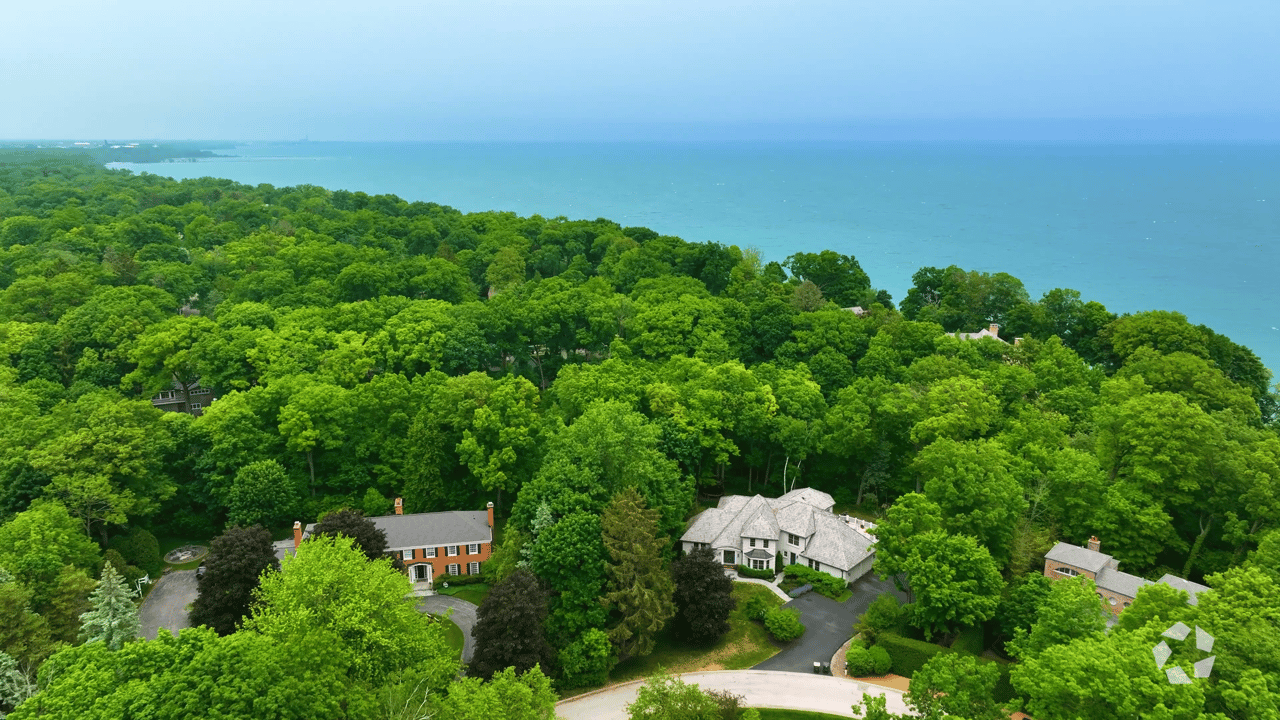
Torn between Lake Bluff and Lake Forest? You’re not alone. Both are prized North Shore communities on Lake Michigan, and each offers a distinct lifestyle that can feel like the perfect fit depending on what you value most. If you want help deciding, this guide compares village character, housing, shoreline access, recreation, downtown convenience, commuting, taxes, and local rules so you can choose confidently. Let’s dive in.
Quick take: lifestyle fit at a glance
- Lake Bluff: Intimate, village-scale feel with a compact, walkable downtown and easy access to the lake. Homes tend to sit on more modest lots near the core, and community life often centers around shoreline parks and local events.
- Lake Forest: Larger footprint with varied neighborhoods, including historic estates and newer subdivisions. You’ll find broader shopping and services, cultural institutions, and more inventory at the luxury and estate level.
Village character
Lake Bluff feel
Lake Bluff delivers a small-town atmosphere with a tight, walkable core. Shops and restaurants cluster within a short radius, making quick coffee runs and casual dinners easy. The topography includes bluffs and ravines, creating distinctive views and pocket neighborhoods that feel close to the lake.
Lake Forest feel
Lake Forest spans a bigger area with a mix of historic blocks, estate neighborhoods, and newer residential pockets. You’ll notice grander, tree-lined avenues in estate areas and more extensive commercial corridors. The presence of cultural and institutional anchors contributes to a polished, park-like character in several neighborhoods.
Housing and architecture
Lake Bluff homes
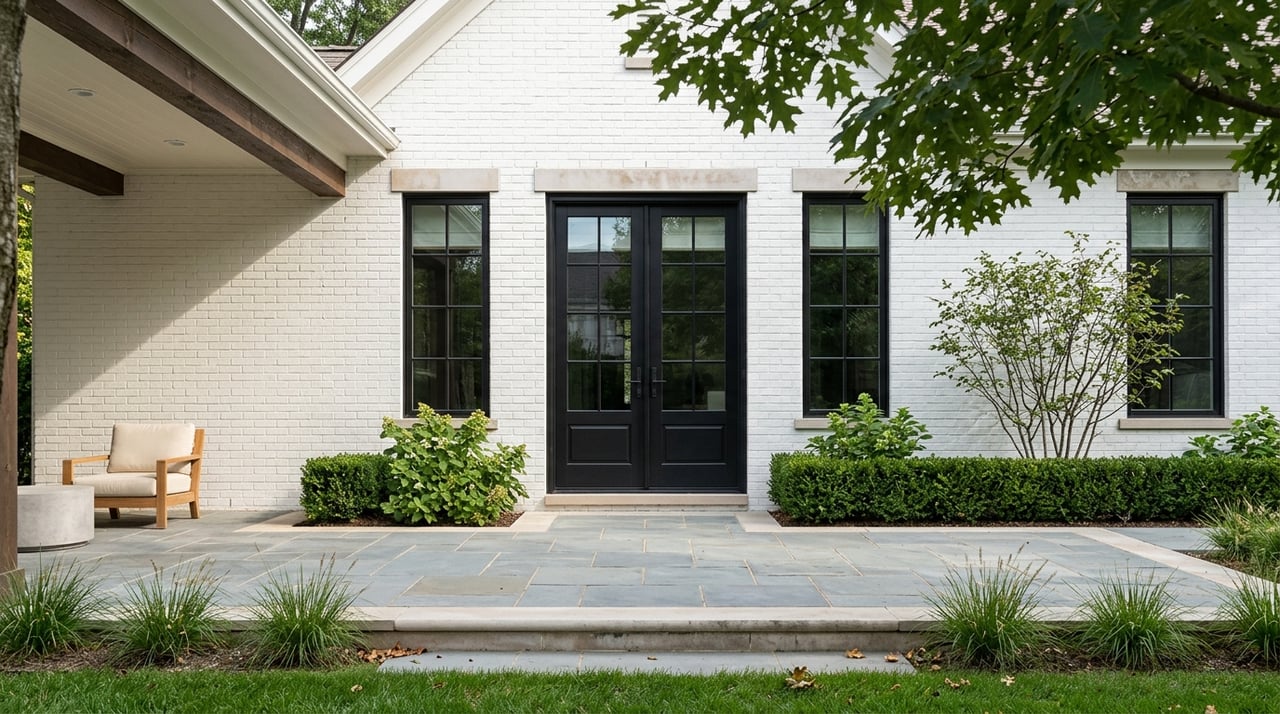
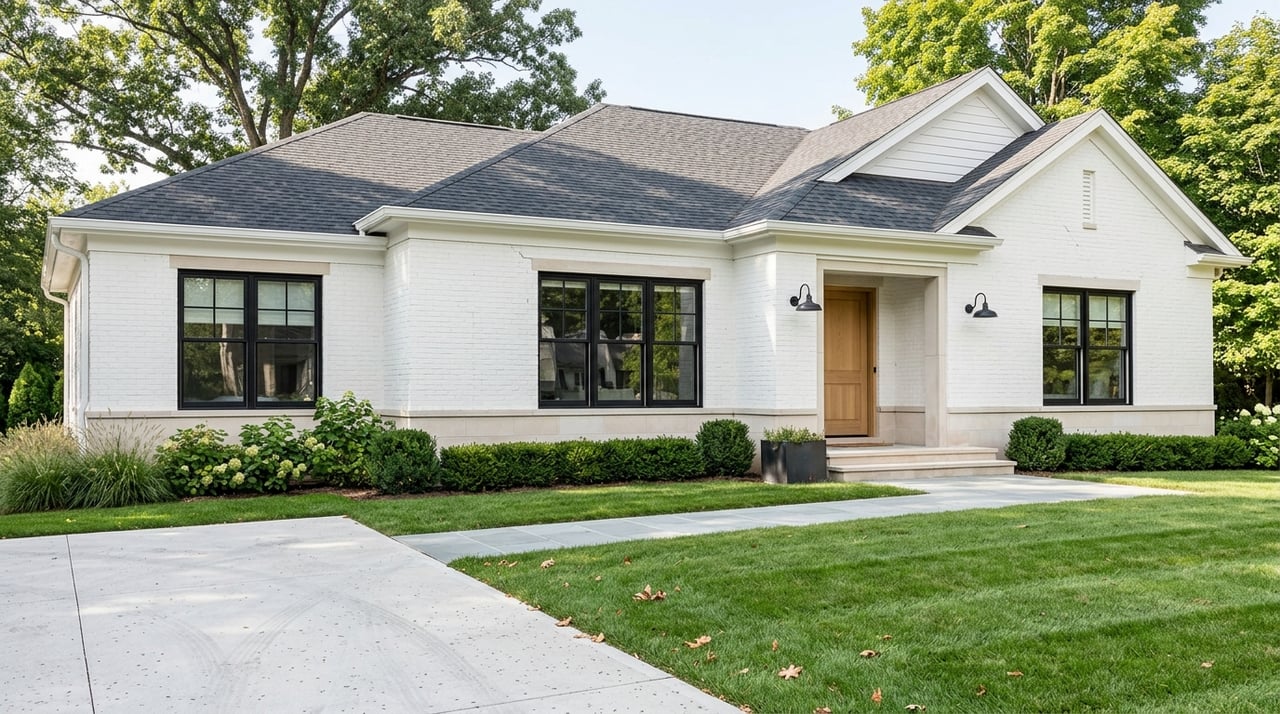
Housing in Lake Bluff leans toward single-family homes and cottages near the village center. Lots are generally more modest than estate areas to the south, which supports that close-knit, walk-to-downtown lifestyle. You’ll see homes oriented to lakeside living and village convenience.
Lake Forest homes
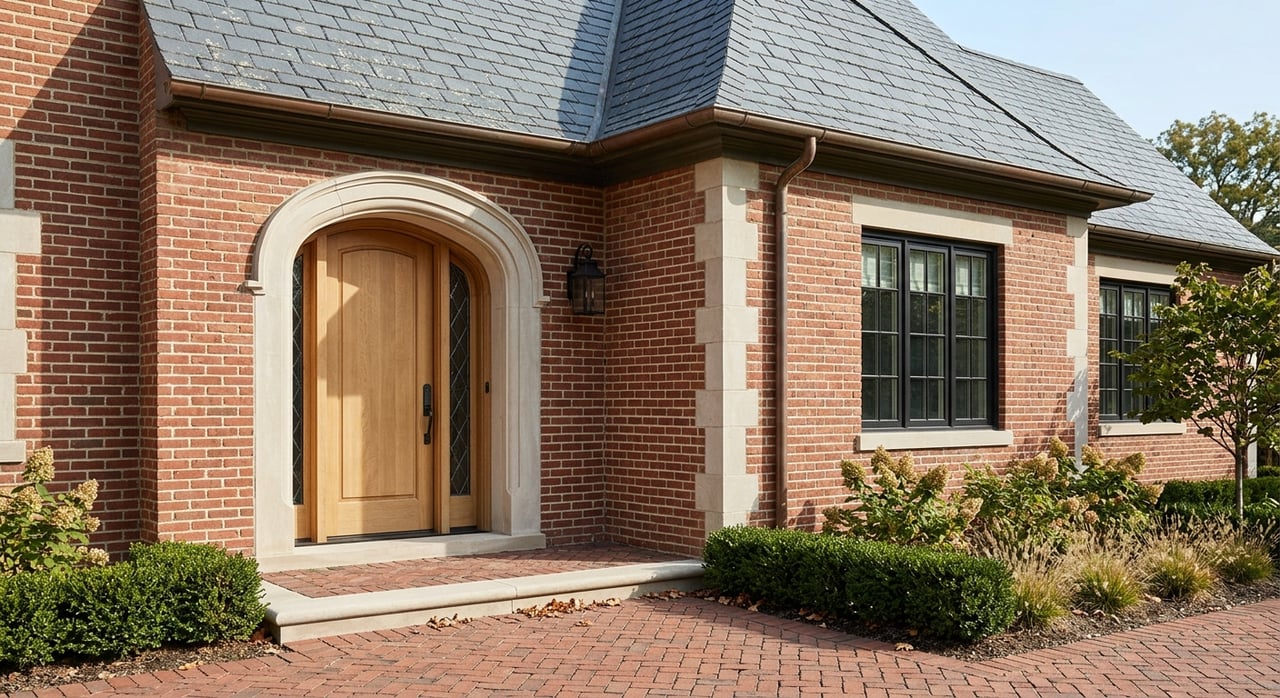
Lake Forest offers a wider spectrum. You’ll find significant inventory at the luxury level, including historic estates on sizable parcels, as well as mid-to-upper range single-family homes and some townhomes. Architectural styles and neighborhood characters vary more widely due to the community’s size and history.
Shoreline and lake access
Public access and beaches
Both villages sit on Lake Michigan and provide public shoreline access. In Lake Bluff, community lake access points and beach facilities are concentrated, which helps orient daily life to the water. In Lake Forest, multiple parks and access points exist, though estate stretches mean some shoreline is privately held. Always confirm seasonal hours, pass requirements, and parking rules before you go.
Boating and bluff terrain
You can find marina and boating options in the area and rules vary by location. Bluffs and ravines shape how you reach the water, especially in Lake Bluff where stairs and overlooks are common features. If you plan to pursue shoreline improvements or water access at a private property, be prepared for permitting and coastal protection rules.
Recreation and open space
Parks and programs
Both communities offer strong park district programming with fields, courts, playgrounds, and seasonal activities. Lake Forest typically provides broader programming and park networks due to its size. Lake Bluff focuses recreation close to the village center and shoreline parks, which keeps daily routines convenient and social.
Trails, clubs, and culture
You’ll find neighborhood parks, access to county forest preserves, and connections to regional trails. Private clubs and golf options are part of the North Shore lifestyle, especially in Lake Forest’s estate-adjacent areas. Community events, markets, and cultural programming are mainstays in both villages, with Lake Forest hosting larger-scale offerings and Lake Bluff leaning into intimate, village-focused gatherings.
Downtown, retail, and dining
Lake Bluff convenience
Lake Bluff’s downtown is compact and highly walkable. Independent eateries and boutiques make everyday errands simple and social. If you want a car-light lifestyle near coffee, dinner, and the lake, the village core is a strong match.
Lake Forest variety
Lake Forest supports a broader range of shops, services, and dining, plus more professional services. You’ll find specialty retail and higher-end options, along with multiple commercial pockets across the community. If you prefer more choice in one place, Lake Forest delivers.
Transportation and commute
Metra access
Both communities are served by the Metra Union Pacific North line, offering rail access into Chicago. The best experience usually comes down to how close you live to a station and your tolerance for parking or transfers. Peak and off-peak frequency varies, so check current schedules and parking permit rules before you commit.
Driving and local mobility
Proximity to major routes can shorten your drive to employment centers and airports. Your specific address will influence commute times. Within both villages, biking and walking can be part of your daily routine, particularly if you settle near downtown blocks or trail connections.
Property taxes and cost of ownership
Lake County’s effective property tax environment is typically above the national average. Your bill is driven by assessed value and the tax rates of multiple local bodies, with school district levies playing a major role. Village fees for services like beach passes, water, sewer, and refuse can also affect carrying costs. Asking for a sample tax bill on target price points is a smart early step.
Municipal services and local rules
Before you plan a renovation or expansion, review each village’s permit process, zoning, and any historic preservation overlays. Shoreline properties may be subject to coastal and bluff protection requirements. Short-term rental rules and association regulations can also shape your options. Confirming these details up front saves surprises later.
Which community fits you? Buyer snapshots
Persona A: The Commuter Professional
- Best fit: Lake Bluff often suits commuters who want a compact village center near a Metra station and easy dining after work. Lake Forest can also fit if you want broader amenities and can live near its station for a quick walk.
- What to consider: Station proximity and parking, walkability to coffee and dinner, townhome or low-maintenance options.
Persona B: Family Upsizing for Yard and Space
- Best fit: Lake Forest typically offers larger lots, estate neighborhoods, and a wider range of private outdoor spaces. Lake Bluff has great family neighborhoods too, generally on smaller lots with closer-in convenience.
- What to consider: Lot size targets, proximity to parks and fields, room for future additions or outdoor amenities.
Persona C: Empty-Nester Seeking Lake Life
- Best fit: If you want walkable village living and concentrated lake access, Lake Bluff is appealing. If you prefer privacy and expansive grounds with a lake orientation, Lake Forest’s estate properties are compelling.
- What to consider: Public beach access and passes, condo or townhome availability, social and cultural programming near home.
Persona D: Luxury and Privacy Buyer
- Best fit: Lake Forest is a strong match with its inventory of historic estates, large parcels, and access to private clubs and amenities.
- What to consider: Architectural character, privacy and setbacks, long-term stewardship of larger properties.
Your next steps: a smart touring checklist
- Confirm Metra schedules, station proximity, and parking permit details for your likely routines.
- Ask for sample property tax estimates at your target price points and note how school levies influence the total bill.
- Review beach and park pass requirements, seasonal hours, and parking rules if lake access matters to you.
- Check zoning and permit rules for planned renovations, additions, or accessory structures.
- Ask about shoreline or bluff protections if you are considering properties near the lake.
- Identify any HOA or association rules that may affect leasing, exterior changes, or short-term rentals.
Choosing between Lake Bluff and Lake Forest comes down to your day-to-day priorities. If you want small-town ease and a close connection to the lake, Lake Bluff shines. If you want broader amenities, more neighborhood variety, and potential for larger lots, Lake Forest delivers. When you are ready to compare specific streets, amenities, and ownership costs, connect with a local expert who knows both villages at the block level.
If you want a tailored shortlist that matches your lifestyle and budget, reach out to Nicole Fabiano for neighborhood insights, curated tours, and on-point pricing guidance.
FAQs
What is the main lifestyle difference between Lake Bluff and Lake Forest?
- Lake Bluff offers a compact, village-scale experience near the lake, while Lake Forest spans more neighborhoods with broader amenities and more estate-level options.
How do lake access options compare in Lake Bluff vs Lake Forest?
- Both offer public shoreline access, but Lake Bluff concentrates community beach access and facilities, while Lake Forest has multiple access points alongside stretches of private shoreline.
What should I know about commuting from either village to Chicago?
- Both are on Metra’s Union Pacific North line; your commute experience depends on station proximity, parking availability, and the schedule you plan to use.
How do property taxes typically work for these North Shore homes?
- In Lake County, bills reflect assessed value plus local tax rates, with school district levies significantly influencing the total.
Are there low-maintenance living options in both villages?
- Yes, you can find townhome and condo options in each community, with Lake Forest generally offering a wider range due to its larger housing inventory.