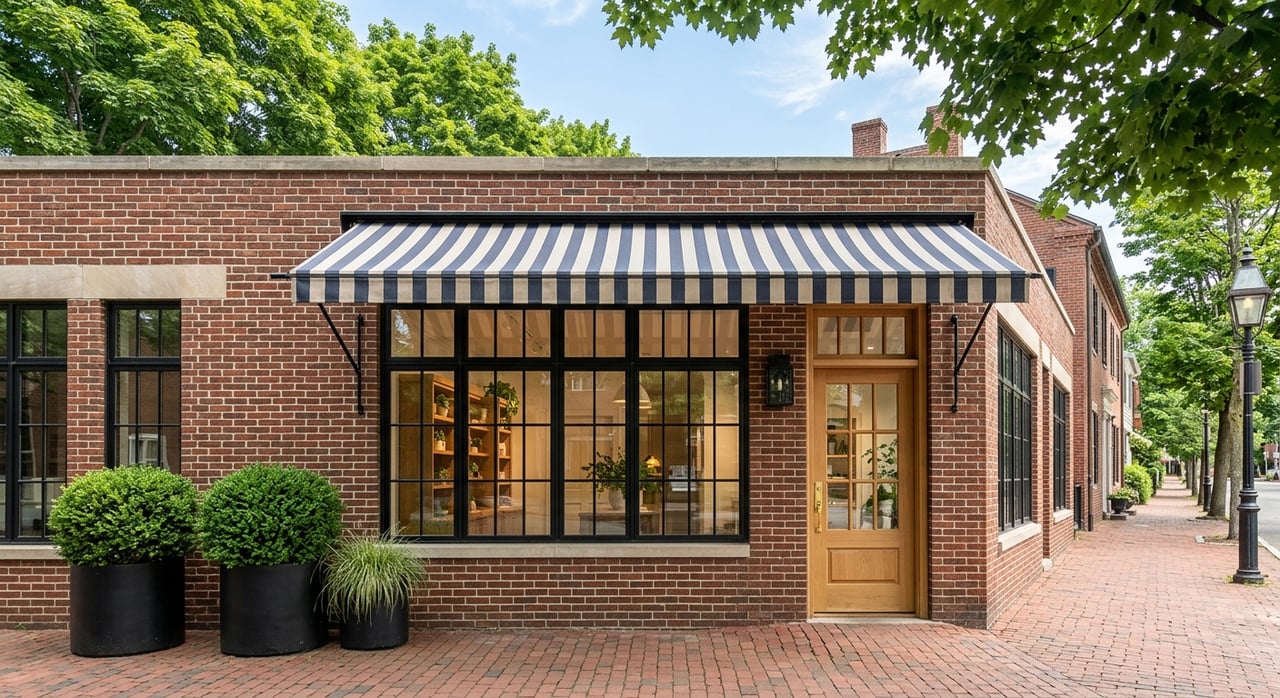
Are you looking for a North Shore community that feels both refined and easy to live in? Glencoe stands out because it pairs notable architecture with a Lake Michigan setting and a village layout that keeps daily life close at hand. If you want to understand what makes Glencoe distinctive, this guide will walk you through its homes, shoreline, downtown rhythm, and everyday lifestyle. Let’s dive in.
Why Glencoe Feels Distinct
Glencoe is a compact village on Lake Michigan that covers about 3.86 square miles and is virtually fully developed, according to the Village’s 2023 annual report. That small footprint shapes how the community feels from day to day. Instead of spreading outward, Glencoe functions through a close relationship between residential streets, business districts, parks, and the lakefront.
The village’s planning and design guidance also helps explain its appeal. In Glencoe, houses are considered in relation to streets, mature landscaping, and the natural setting. That creates a place where architecture and landscape often feel connected rather than separate.
Glencoe Architecture Has Range
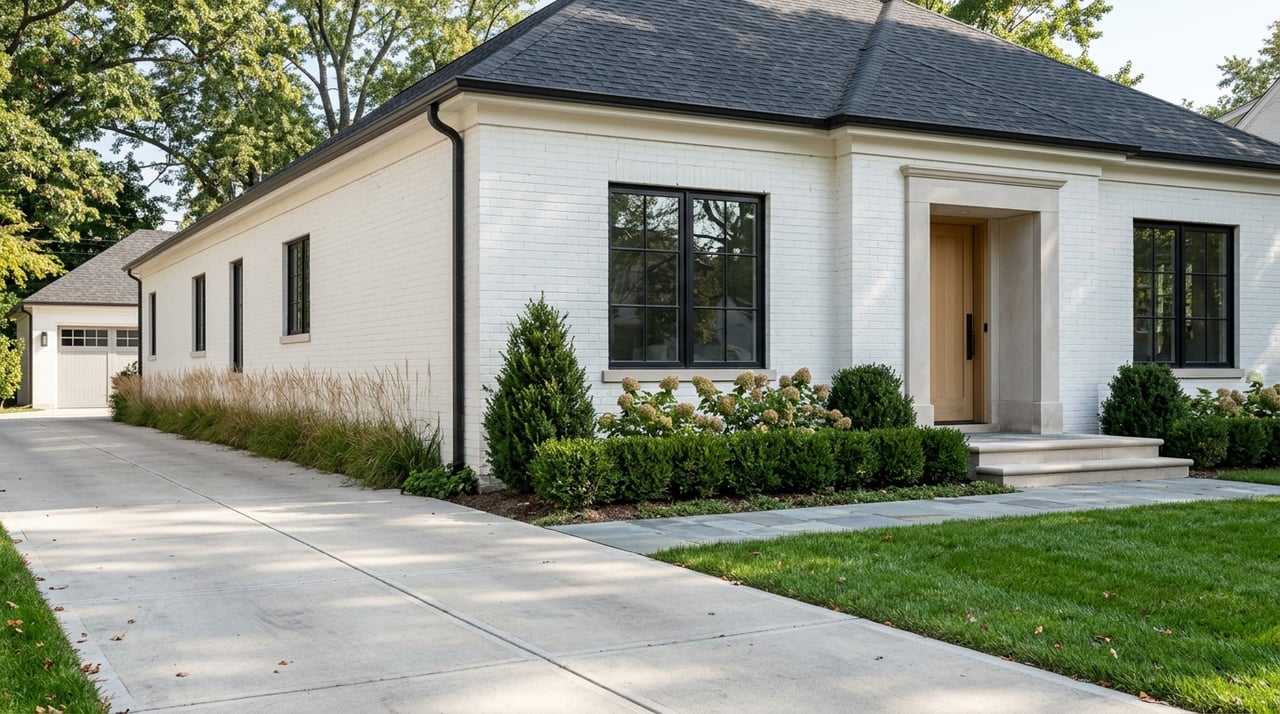
One of Glencoe’s biggest strengths is architectural variety. The village’s residential design guidelines identify styles that range from Italianate and Queen Anne to Tudor, Prairie School, Craftsman, International, Contemporary, and Post-Modern. For you as a buyer or homeowner, that means Glencoe does not read as a one-style community.
That variety is balanced by a clear sense of compatibility. The design guidelines emphasize height, roof form, and massing, while also treating topography, trees, ravines, decorative fences, and garden walls as important parts of neighborhood character. In practical terms, the setting matters just as much as the house itself.
Historic And Design Highlights
Certain areas and homes give Glencoe an especially strong design identity. Greenleaf Avenue is described in the village’s design guidance as architecturally distinctive, making it a useful reference point for anyone who appreciates streets with a memorable visual character.
Ravine Bluffs is another standout. It includes six Frank Lloyd Wright-designed residences and Wright’s only bridge in Glencoe. The Glencoe Historical Society also notes that 13 Wright structures survive in the village, which gives Glencoe the third-largest concentration of Wright-designed structures in the world.
Glencoe also has a modernist chapter. The Keck and Keck subdivision adds 26 residences known for flat roofs, skylights, and floor-to-ceiling windows. Together, these layers of architecture give the village a broader design story than many suburban buyers expect.
Lakefront Living Is Part Of Daily Life
In Glencoe, the lakefront is not just scenery. It functions as an active public amenity that shapes how people spend time outdoors. That matters if you are drawn to communities where the shoreline is part of everyday living rather than a distant backdrop.
Lakefront Park overlooks Lake Michigan and includes a lake overlook, benches, a playground, tennis courts, a tot lot, and a walking path. It also connects directly to Glencoe Beach and the Perlman Boating Beach, creating a shoreline area that supports both quiet time and active use.
What To Know About Beach Access
The beach area changes with the season. During the off-season, it functions as a free public park from sunrise to sunset. In summer, access is ticketed and staffed, and beach operations include daily lake-water testing.
The Park District and Village have also announced new traffic, parking, and pedestrian-safety measures around the beach for the coming season in 2026. That kind of management shows that Glencoe treats its shoreline as a well-used neighborhood asset that requires active planning, maintenance, and seasonal operations.
Downtown Glencoe Is Small But Central
Glencoe’s downtown is not oversized, but it plays an important role in how the village works. The Village identifies the downtown business district as its largest business district and describes these commercial areas as serving residents’ social, cultural, commercial, and retail needs. For you, that often translates into a village center that supports both errands and leisure.
This is one reason Glencoe often feels easy to navigate. The scale of the downtown core fits the scale of the village itself. Instead of treating shopping, dining, and cultural spaces as separate destinations, Glencoe keeps many of them close to the places where people already live and move through the day.
Writers Theatre Adds A Cultural Anchor
Writers Theatre gives downtown Glencoe a meaningful arts presence. The company began in 1992 in the back room of Books on Vernon and opened its first permanent home in downtown Glencoe in 2016. That home was designed by Studio Gang.
The theatre describes itself as a nationally recognized, award-winning company. What makes that especially notable is its location right in the village center. In Glencoe, a major cultural institution is woven directly into the core of everyday village life.
Parks, Paths, And Seasonal Recreation
Glencoe has a strong outdoor rhythm that changes with the seasons. The Weinberg Family Recreation Center supports a wide range of activities throughout the year, including summer camps, before- and after-school care, pickleball, Dek Hockey, tennis, disc golf, soccer, and a longtime sledding hill at Watts Park.
In winter, the center runs two lighted outdoor refrigerated rinks from the day after Thanksgiving through the end of February. That gives the village a clear seasonal pattern, where recreation shifts naturally from warm-weather fields and courts to skating and sledding as temperatures change.
The Village Is Built For Walking And Running
Trail and path connections are another part of Glencoe’s appeal. The Park District’s Connect Glencoe project was designed to link five parks through a meandering path that runs through mature trees. It also connects users to downtown businesses, the lakefront, and the train station.
That layout helps explain why daily life in Glencoe often feels active without feeling rushed. The Park District’s Walk Run Club uses the Green Bay Trail, neighborhood streets, and Sheridan Road as regular routes. For many people, walking and running are built into the village experience rather than treated as occasional outings.
Commuting And Convenience In Glencoe
Glencoe’s compact pattern also supports practical day-to-day movement. The Glencoe Metra station is located at 724 Green Bay Road on the Union Pacific North line in Zone 3. The station also has 416 parking spaces and Pace Route 213 service.
When you combine the train station with downtown, parks, trail connections, and the lakefront, Glencoe offers a village-scale geography where different parts of your routine stay close together. Commuting, recreation, and local errands can overlap in a way that feels efficient and grounded.
What Glencoe Living Often Appeals To
Glencoe tends to resonate with buyers who want more than a house alone. If you value architecture, mature landscaping, access to Lake Michigan, and a village center that supports everyday routines, Glencoe offers a lifestyle built around those priorities.
It can also appeal if you want a community where the setting shapes the experience of home. Here, ravines, trees, paths, and the shoreline are not background details. They are part of how the village is organized and part of what gives it lasting character.
For buyers comparing North Shore communities, Glencoe often stands out for its mix of design depth and livability. You can see that in its historic and modern homes, in the active use of its lakefront, and in the way parks, downtown, and transit connect into one coherent whole.
If you are considering a move on the North Shore and want thoughtful guidance on how Glencoe compares with nearby communities, Nicole Fabiano can help you navigate your options with local insight and a polished, personalized approach.
FAQs
What is Glencoe, Illinois known for?
- Glencoe is known for its varied architecture, Lake Michigan shoreline, compact village layout, and a downtown core that connects daily errands, recreation, and arts.
What architectural styles are found in Glencoe homes?
- Glencoe’s residential design guidance identifies styles including Italianate, Second Empire, Queen Anne, Colonial Revival, Georgian, Tudor, Prairie School, Craftsman, International, Contemporary, and Post-Modern.
What makes the Glencoe lakefront different from other suburbs?
- The Glencoe lakefront is actively managed as a public amenity, with Lakefront Park, beach access rules that change by season, daily lake-water testing during beach season, and ongoing traffic and pedestrian planning.
What is downtown Glencoe like for daily life?
- Downtown Glencoe is the village’s largest business district and supports social, cultural, commercial, and retail needs in a compact setting close to the train station, parks, and lakefront.
How do you get around Glencoe, Illinois?
- Glencoe is served by the Metra Union Pacific North line at 724 Green Bay Road, Pace Route 213, and a connected network of parks, paths, neighborhood streets, and trail routes that support walking and running.
Does Glencoe have notable Frank Lloyd Wright homes?
- Yes. Ravine Bluffs includes six Frank Lloyd Wright-designed residences and Wright’s only bridge in Glencoe, and 13 Wright structures survive in the village overall.