If you are considering a move to Lake Bluff, you are probably trying to answer a bigger question than square footage or price point: what does daily life actually feel like there? That matters, especially in a village where housing style, street pattern, downtown access, parks, and the lake all shape your routine. In Lake Bluff, those pieces connect in a way that feels intentional and easy to picture once you know what to look for. Let’s dive in.
What Lake Bluff Feels Like
Lake Bluff is a small North Shore village of about 5,600 residents, located roughly 35 miles north of downtown Chicago. It covers just over four square miles, which helps explain why the community often feels compact and connected rather than spread out. Census data also points to a highly owner-occupied housing base, with 92.1% of homes owner-occupied.
That owner-occupied pattern can matter when you are evaluating stability and long-term fit. It suggests a market that functions more like an established residential village than a high-turnover rental area. If you are looking for a place where the built environment and daily routines feel settled, Lake Bluff stands out for that reason alone.
Housing Styles in Lake Bluff
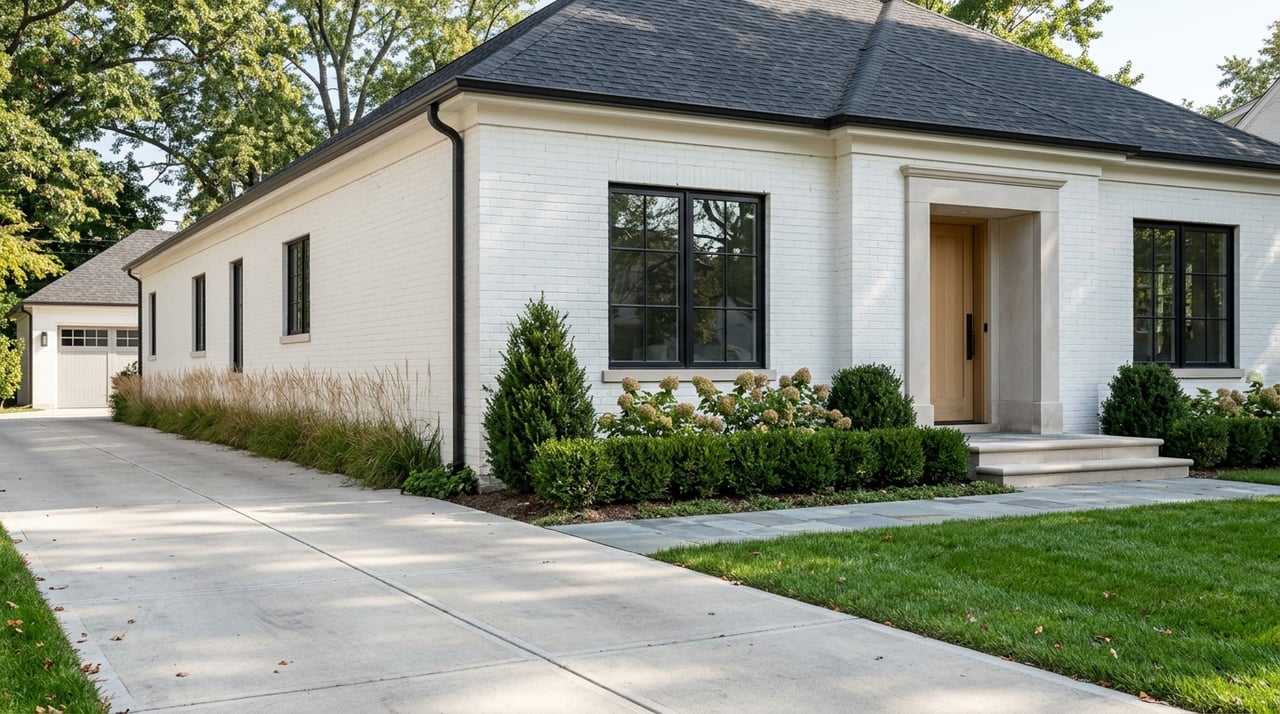
One of Lake Bluff’s defining features is the range of home styles you will see from one block to the next. According to the Lake Bluff History Museum, the village includes Cottage, Queen Anne, Victorian, Craftsman, Prairie, and Four Square homes, along with estates and newer houses. That mix reflects the village’s early development as a summer resort and its appeal to notable architects drawn to both lakefront and prairie settings.
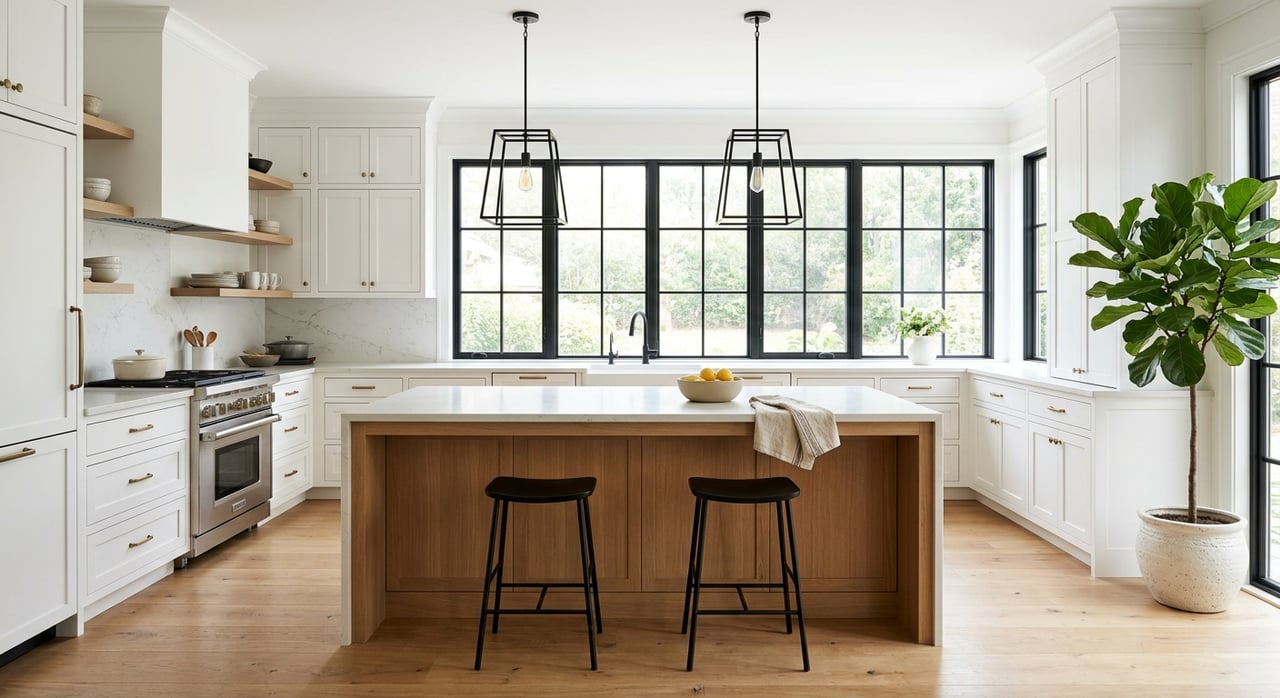
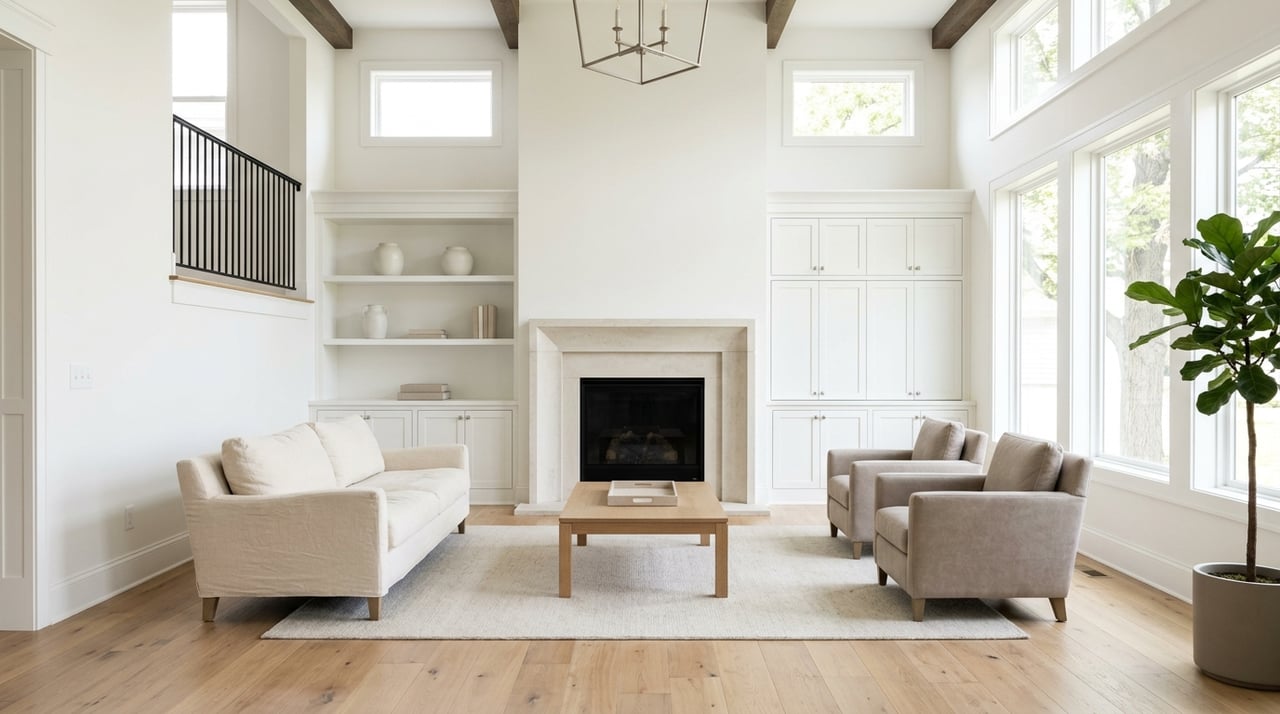
For you as a buyer, that means Lake Bluff is not a place where every home follows the same formula. You may tour an older architectural home with original character features, then see a larger estate property, and then find a newer home that fits a more updated layout. The variety is part of the appeal, especially if you want a home with visual personality and a strong sense of place.
Older Homes and Preservation
Lake Bluff also takes preservation seriously. The village has historic preservation regulations, an interactive historic preservation map, and published historic-resource surveys that help document property history and context. If you are drawn to an older home, that is worth understanding early.
In practical terms, buyers of older homes may encounter more structure around exterior changes than they would in a newer subdivision. That is not necessarily a drawback, but it does mean the purchase decision should include both the charm of the property and the expectations that come with it. If character is high on your list, Lake Bluff offers it in a very visible, well-supported way.
Housing Varies by Pocket
Another useful point is that Lake Bluff changes by subarea. The village’s comprehensive plan notes that the Multifamily District near downtown includes a mix of single-family homes and low-rise apartments, serving as a transition between the mixed-use core and surrounding single-family areas. So even within a small village, density and housing form can shift.
That matters when you are narrowing your search. Two homes with the same mailing address can offer very different day-to-day experiences based on their proximity to downtown, lot size, and surrounding building pattern. In Lake Bluff, location inside the village can shape rhythm almost as much as the house itself.
Downtown Shapes Daily Rhythm
Downtown Lake Bluff plays an outsized role in village life. The village describes it as the community’s outdoor living room, and that description fits the planning documents well. It is compact, walkable, and includes a mix of civic buildings, the Metra station, the library, museum, Village Green, restaurants, retail, and public services.
If you are coming from a place where errands require getting in the car for everything, this is one of Lake Bluff’s more appealing differences. The core is not just a commercial strip. It is part of how residents move through the day, whether that means a train commute, a stop at the post office, a walk through downtown, or heading to an event on the Village Green.
A Smaller-Scale North Shore Center
For buyers comparing Lake Bluff to other North Shore communities, scale is one of the biggest distinctions. The village presents a smaller, more visibly civic center with strong historical continuity. That can create a more immediate sense of orientation when you first start exploring the area.
If you value a town center that feels active but not oversized, Lake Bluff tends to make that impression quickly. The downtown layout, historic buildings, and public spaces all work together to support a lifestyle that feels local and grounded.
Parks, Beach, and Outdoor Access
Lake Bluff’s outdoor amenities are not just nice extras. They are part of the village’s routine. The Lake Bluff Park District maintains ten parks and open-space areas, along with an outdoor aquatic facility, recreation building, golf course, fitness center, ice rink, paddle hut, playgrounds, and a Lake Michigan beach.
Named destinations include Sunrise Park & Beach, Ravine Park, Artesian Park, Blair Park Campus, Knollwood Park, Sanctuary Park, Mawman Park, Carolyn Goetz Wetland Nature Preserve, and West School Park. For a village of this size, that is a meaningful spread of recreation and open space. It gives you options for everything from a quick walk to a longer outdoor outing.
Why Sunrise Park & Beach Matters
Sunrise Park & Beach is one of the clearest examples of how Lake Bluff’s location affects everyday living. The park district says resident beach use is free, swimming is guarded in season, and the beach includes shelters with fireplaces, grills, restrooms, games, beach chairs, and beach patrol or security. That is a more active and usable shoreline setup than many buyers expect.
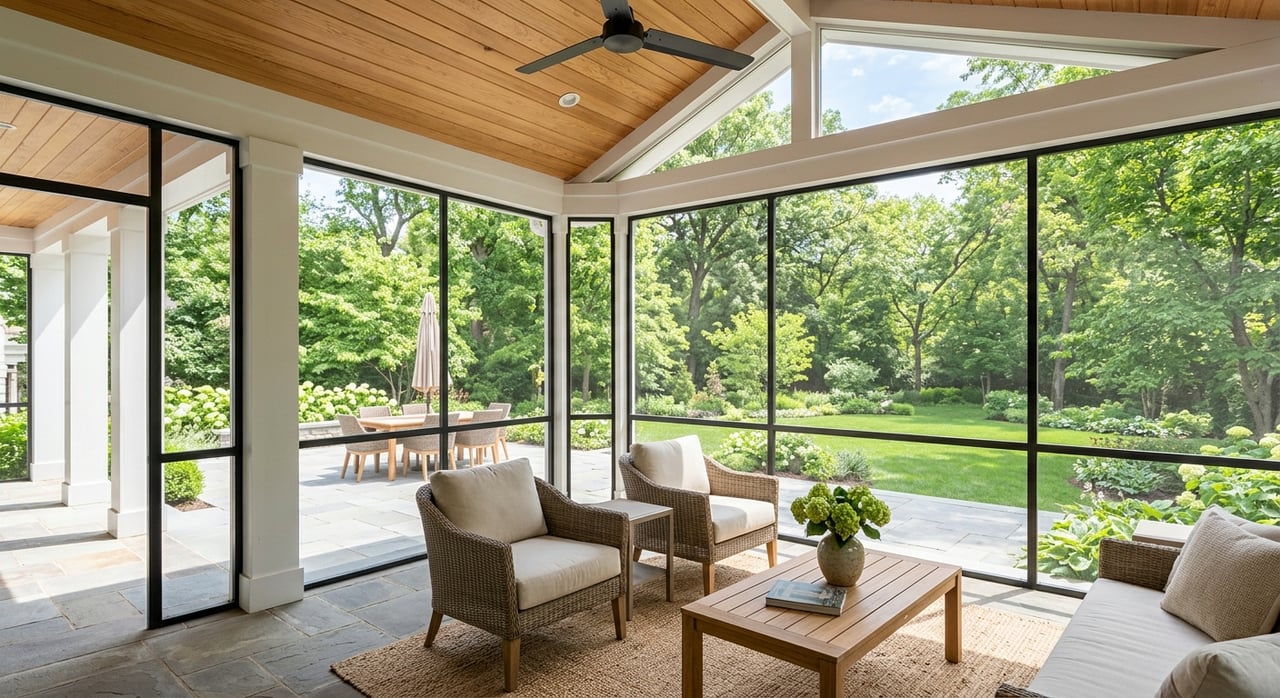
If lake access is part of your wish list, this is a practical lifestyle marker. In warmer months, the shoreline is not just scenery. It becomes part of how many residents spend free time, gather with friends, or unwind close to home.
Getting Around in Lake Bluff
Lake Bluff’s physical layout also shapes its pace. The village’s comprehensive plan notes that most of the community is east of Route 41, which helps keep the road network relatively calm and uncongested. That can make local trips feel simpler and more manageable than in larger suburban settings.
The trail network strengthens that feeling. The east-west North Shore Bike Path and the north-south Robert McClory Bike Path are key connectors, with the Skokie Valley Trail adding broader regional access. If you like the idea of walking or biking as part of your routine, Lake Bluff’s planning framework supports that in a real way.
Commuting and Weekly Routine
For rail commuters, Lake Bluff has a Metra UP-N stop with service to Chicago and Kenosha. That gives the village a clear commuter option without losing its smaller-scale atmosphere. Census data puts the mean commute to work at 28.4 minutes, which helps frame the village as connected but still distinctly residential.
On a typical weekday, many residents likely move through a pattern of school schedules, train timing, local errands, and shorter in-town trips rather than long cross-town drives. That rhythm is supported by the village’s compact downtown and transit access. For relocators especially, this is one of the easiest parts of Lake Bluff to imagine once you see the map and the village center together.
What Weekends Often Look Like
Weekends in Lake Bluff tend to lean outdoors and local. The village highlights a Friday farmers market on the Village Green from June through October, along with the annual Fourth of July parade, summer events, and concerts. Those details suggest a village that uses its public spaces regularly and visibly.
In practical terms, a warm-weather weekend may include beach time, a park stop, trail use, and a walk into downtown for food or errands. That pattern will not fit every household in the same way, but the village’s amenities make that kind of routine easy to picture. If you are looking for a place where leisure time feels close to home, Lake Bluff has a strong case.
What Buyers Should Notice
When you tour Lake Bluff, it helps to look beyond the listing photos and ask a few bigger-picture questions. How close do you want to be to downtown? Are you excited by an older home with preservation context, or would you prefer something newer? How much do beach access, trails, and walkability matter in your daily routine?
Lake Bluff offers a combination that can be hard to find in one place: architectural variety, a compact village center, meaningful park access, and a daily rhythm shaped by walking, biking, rail, and the lake. For many buyers, the decision comes down to lifestyle fit as much as home style. That is exactly why a thoughtful, block-by-block approach matters here.
If you are weighing Lake Bluff against nearby North Shore options, the village often stands out for its smaller scale, strong physical identity, and the way public spaces are woven into everyday life. Those are qualities you feel when you spend time there, not just details you read on a listing sheet. And they can make a real difference in how at home a place feels.
If you want help comparing Lake Bluff housing options or understanding how different parts of the village align with your routine, Nicole Fabiano can help you navigate the North Shore with clear, local insight and a thoughtful, tailored approach.
FAQs
What housing styles can you find in Lake Bluff?
- Lake Bluff includes Cottage, Queen Anne, Victorian, Craftsman, Prairie, and Four Square homes, along with estates and newer houses.
What is downtown Lake Bluff like for daily life?
- Downtown Lake Bluff is a compact, walkable village center with the Metra station, civic buildings, the library, museum, Village Green, restaurants, retail, and public services.
What should buyers know about historic homes in Lake Bluff?
- Lake Bluff has historic preservation regulations and property-specific preservation resources, so buyers of older homes should be prepared for added context around exterior changes.
What outdoor amenities does Lake Bluff offer residents?
- The Lake Bluff Park District maintains ten parks and open-space areas, plus recreation facilities, trails, and Sunrise Park & Beach on Lake Michigan.
What is commuting from Lake Bluff like?
- Lake Bluff has Metra UP-N rail service to Chicago and Kenosha, and the village’s compact layout supports shorter local trips, walking, and biking.
What makes Lake Bluff different from other North Shore communities?
- Lake Bluff stands out for its smaller scale, varied architecture, walkable downtown, preservation-minded character, and strong connection to parks, trails, and the lake.