If you are searching for a North Shore home that feels residential first, Northfield deserves a closer look. This is a village where single-family homes shape the streetscape, mature lots influence daily living, and block-by-block differences matter more than broad assumptions. If you want to understand how lots, layouts, and lifestyle come together in Northfield, this guide will help you compare homes more confidently. Let’s dive in.
Why Northfield Stands Out
Northfield is defined by detached homes and long-term ownership. According to the Village of Northfield community snapshot, detached single-family homes make up 73.2% of all housing units, and the village is 91.7% owner-occupied. That creates a market where resale homes, not large waves of new construction, are usually the main focus.
The land-use mix reinforces that feel. Single-family residential land accounts for 50.0% of Northfield’s total land area, while open space makes up 17.0% and commercial land 7.7%. For you as a buyer, that often translates to a village with a strong residential identity and a more modest commercial footprint.
Northfield also has limited undeveloped sites and high land-acquisition costs, according to village planning materials. In practical terms, that means you are more likely to compare existing homes with different levels of updating than wait for major new subdivision inventory.
Northfield Lots Often Feel Mature
One of the first things many buyers notice in Northfield is that the lot experience is not just about size. It is also about how the site is shaped, landscaped, and regulated. Village development standards are designed to support safety, orderly development, property values, and the quality of the built environment.
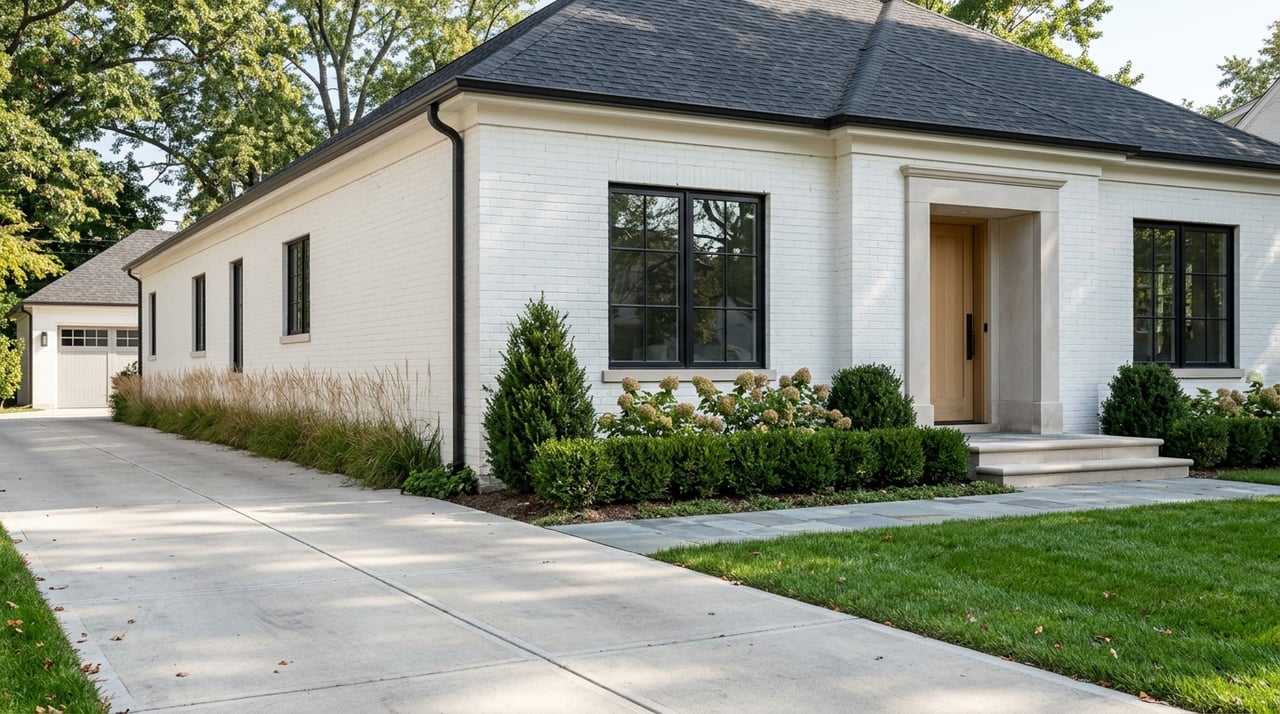
For single-family parcels, two zoning details are especially important. Driveways and driveway aprons may not exceed 25 feet in width, and in R-1 through R-6 districts, no more than 35% of the required front yard may be covered with impervious surface. Those rules help preserve a more open front-yard appearance instead of letting pavement dominate the streetscape.
Tree preservation also plays a role in how blocks look and feel. The Village protects qualifying trees in the right-of-way and in front or side yards on single-family parcels. For you, that can mean more canopy, softer street edges, and a more established visual character on many blocks.
Lot patterns vary by pocket
Northfield is not one uniform collection of lots. Its zoning includes multiple residential districts, from R-1 through R-6, so scale, setback, and overall block character can change from one area to another. That is why two homes with similar square footage may feel very different once you step outside.
When you compare lots, pay attention to how the yard actually functions. A usable backyard, mature trees, driveway flow, and garage placement can affect daily convenience just as much as interior finishes. In Northfield, those practical details often shape long-term satisfaction.
Layouts Tend To Be Family-Sized
Northfield’s housing data points to layouts that support everyday flexibility. The village snapshot shows that 30.1% of homes have four bedrooms, while 18.1% have five or more bedrooms. The median number of rooms is 7.6, and only 3.8% of housing units have zero or one bedroom.
That tells you something important about the local market. Many buyers here are not just looking for a basic bedroom count. They are also evaluating whether a home has enough space for work-from-home needs, guest space, storage, or rooms that can shift with changing routines.
Because much of the housing stock was built before 1990, floor plans may not always match what buyers expect from newer construction. Northfield’s median year built is 1968, and 47.4% of housing was built from 1940 to 1969, with another 28.0% built from 1970 to 1989. In many cases, you will be looking at updated versions of older homes rather than brand-new open-concept designs.
What to look for in older layouts
When touring homes, it helps to ask a few specific questions:
- Has the home been opened up or expanded?
- Does the layout support a home office or flexible bonus room?
- Is the storage adequate for your day-to-day needs?
- Has the basement been finished in a functional way?
- Do the updates feel cohesive, or do old and new spaces disconnect?
These are especially useful questions in Northfield because age alone does not tell you how a home lives today. Two homes built in the same decade can offer very different levels of comfort and functionality depending on renovation quality.
Lifestyle Depends On Where You Land
Northfield offers a lifestyle that feels suburban and connected at the same time. The village includes a compact but useful park network with Clarkson Park, Fox Meadow Park, Happ Road Park, Northfield Park, and Willow Park. The Northfield Community Center is also a cooperative effort involving the Village, School District 29, and the Northfield Park District, and all Northfield residents are eligible for resident rates at Community Center programs regardless of park-district assignment.
That said, park access is not exactly the same for every address. Depending on where you live, you may fall within the Northfield Park District, Winnetka Park District, or Glenview Park District. If parks, programming, or recreation access are part of your decision, it is smart to verify those boundaries before you commit to a specific home.
Village center versus quieter pockets
Northfield’s planning documents point toward a village center with a smaller-scale, more human-focused design. The village’s plans and design guidelines support a distinct small-town atmosphere, with an emphasis on street-oriented development and less reliance on overt parking. For you, that means homes near the core may offer easier access to everyday services and a more walkable routine.
Homes farther from the village center may feel more like quiet residential enclaves. Neither setting is inherently better. It simply depends on whether you want a more connected day-to-day pattern or a more tucked-away residential feel.
Happ Road is worth noting
For some buyers, roadway context is part of lifestyle fit. The Village notes that the Happ Road corridor serves the village center, residential areas, and access to New Trier High School. If you are considering a home near that corridor, it is worth thinking about traffic flow, pedestrian activity, and school-rush timing as part of your daily routine.
Commuting And Daily Rhythm
Northfield works well for buyers who want suburban living with regional connectivity. According to the village snapshot, 29.7% of Northfield residents work in Chicago, followed by Northbrook, Northfield, Evanston, and Glenview. That commuting pattern shows how the village fits into a broader North Shore and Chicago-area lifestyle.
At the household level, 54.4% of workers drive alone, while 29.7% work from home. The mean commute is 26.7 minutes. For you, that suggests Northfield supports a mix of traditional commuting and home-based work, which makes layout flexibility even more important when comparing single-family homes.
What Matters Most When Comparing Homes
In Northfield, raw square footage is only part of the story. The village’s single-family dominance, mature housing stock, and strong owner-occupancy mean lot usability and renovation quality often matter just as much. A well-updated home on a functional lot may deliver a better daily experience than a larger home with awkward outdoor space or an outdated layout.
As you narrow your options, focus on the details that shape how the house will live over time. That includes yard depth, tree cover, driveway and garage function, storage, and whether the floor plan supports current needs. In a market like Northfield, those factors often separate a good home from the right home.
A thoughtful home search here is usually block-specific. You may find that one area offers a more open feel, while another feels more private or more connected to parks and the village center. That is exactly why local context matters so much in Northfield.
If you are weighing a move to Northfield or comparing it with other North Shore communities, the key is to look beyond surface-level features. With the right guidance, you can match the home’s lot, layout, and location to the way you actually want to live. If you would like expert help evaluating Northfield homes with a clear, local lens, connect with Nicole Fabiano.
FAQs
What kinds of single-family homes are most common in Northfield?
- Detached single-family homes are the dominant housing type in Northfield, making up 73.2% of all housing units according to the Village of Northfield community snapshot.
What should you look for in a Northfield lot?
- Focus on usable yard space, tree cover, driveway function, garage placement, and how the lot feels within its block, since Northfield lot patterns vary by residential district.
Are Northfield homes mostly newer construction or resale homes?
- Most buyers will be comparing resale homes, since Northfield has limited undeveloped land and much of the housing stock was built before 1990.
What do Northfield floor plans typically offer?
- Many homes offer family-sized layouts, with 30.1% of units having four bedrooms and 18.1% having five or more bedrooms, plus a median room count of 7.6.
How does location within Northfield affect lifestyle?
- Homes near the village center may offer a more walkable routine and closer access to services, while homes farther out may feel more like quiet residential pockets.
What park access should you verify when buying a Northfield home?
- You should confirm which park district serves a specific address, since Northfield residents may fall within the Northfield, Winnetka, or Glenview park districts.
Is Northfield a good fit for commuters and remote workers?
- Northfield supports both, with 54.4% of workers driving alone, 29.7% working from home, and a mean commute of 26.7 minutes according to the village snapshot.